0
Skip to Content
The Wellness Education
Schools
Families
About
Contact
The Wellness Education
Schools
Families
About
Contact
Schools
Families
About
Contact
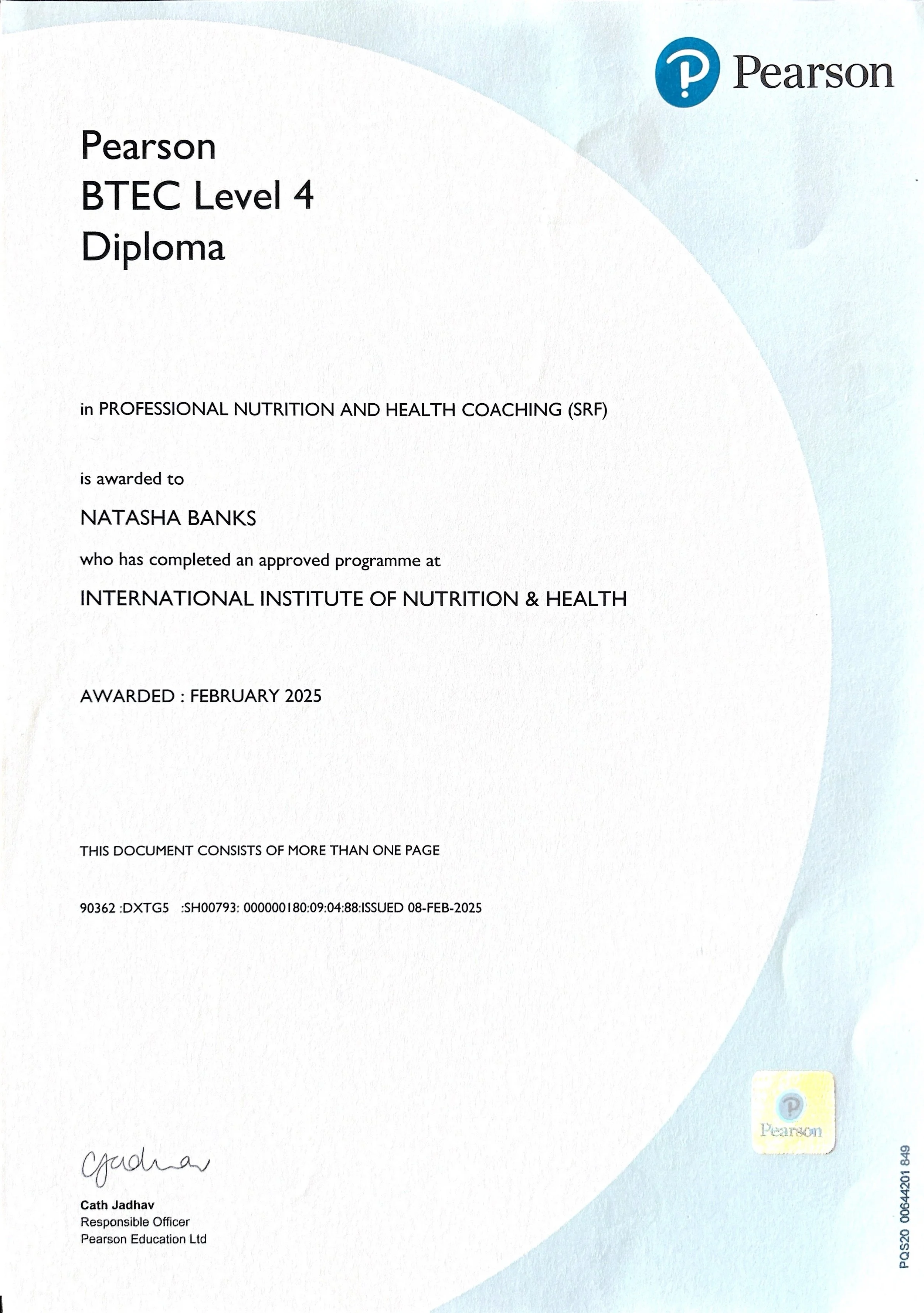
Health and Nutrition Coaching Diploma Level 4 View fullsize
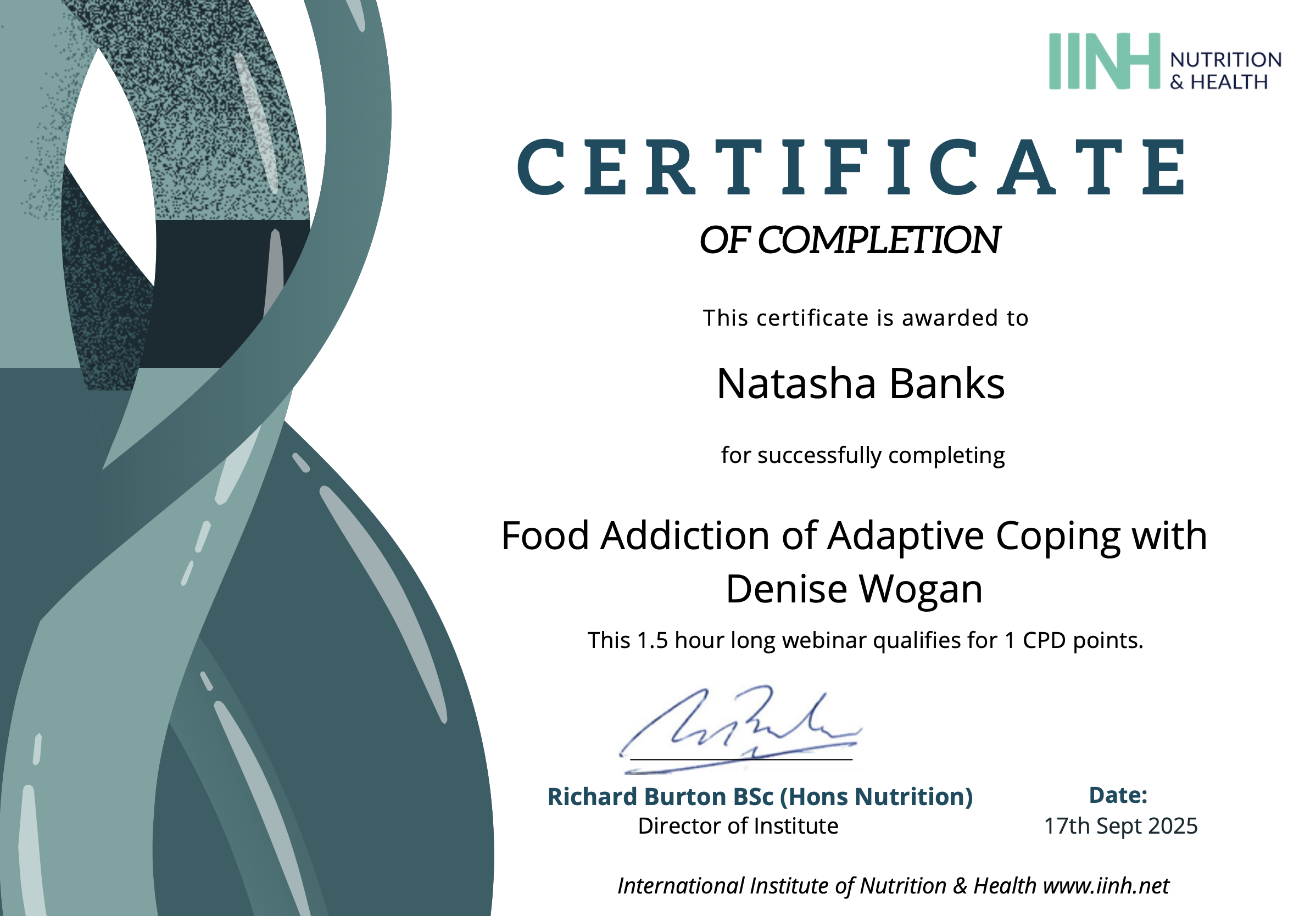
Food Addiction Qualification View fullsize
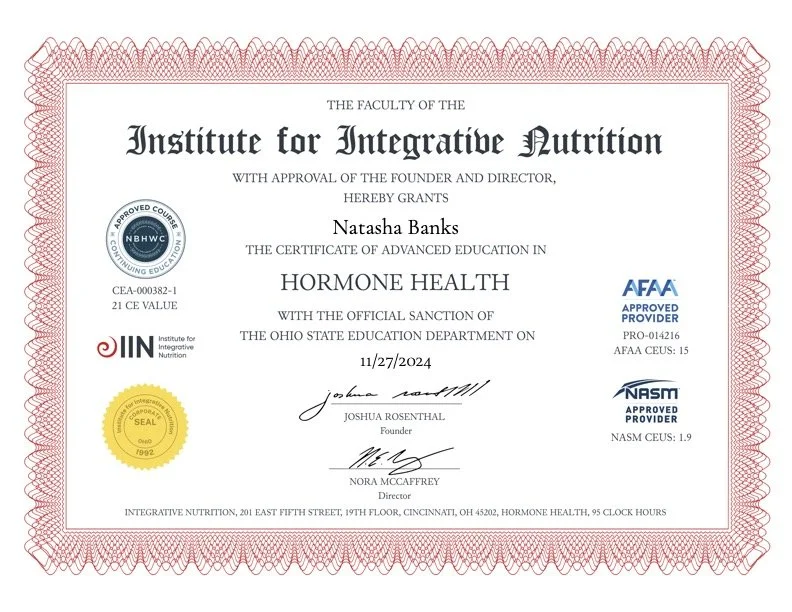
Hormone Health Specialist Qualification View fullsize
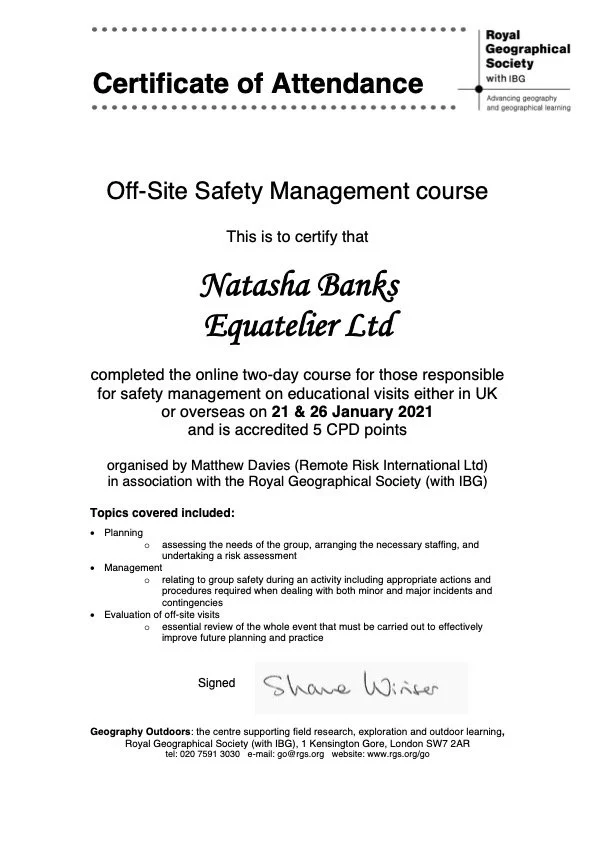
Off-site safety management qualification View fullsize
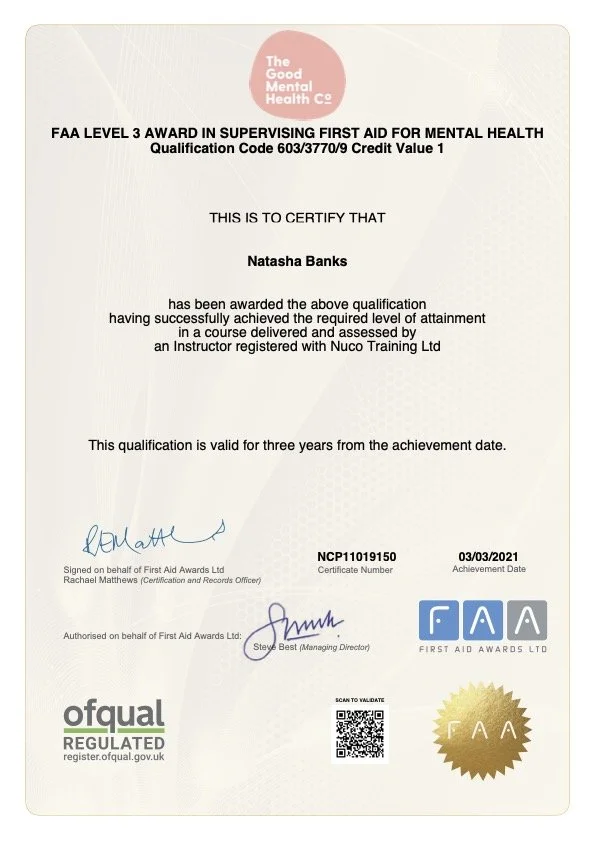
Mental Health First Aid qualification View fullsize
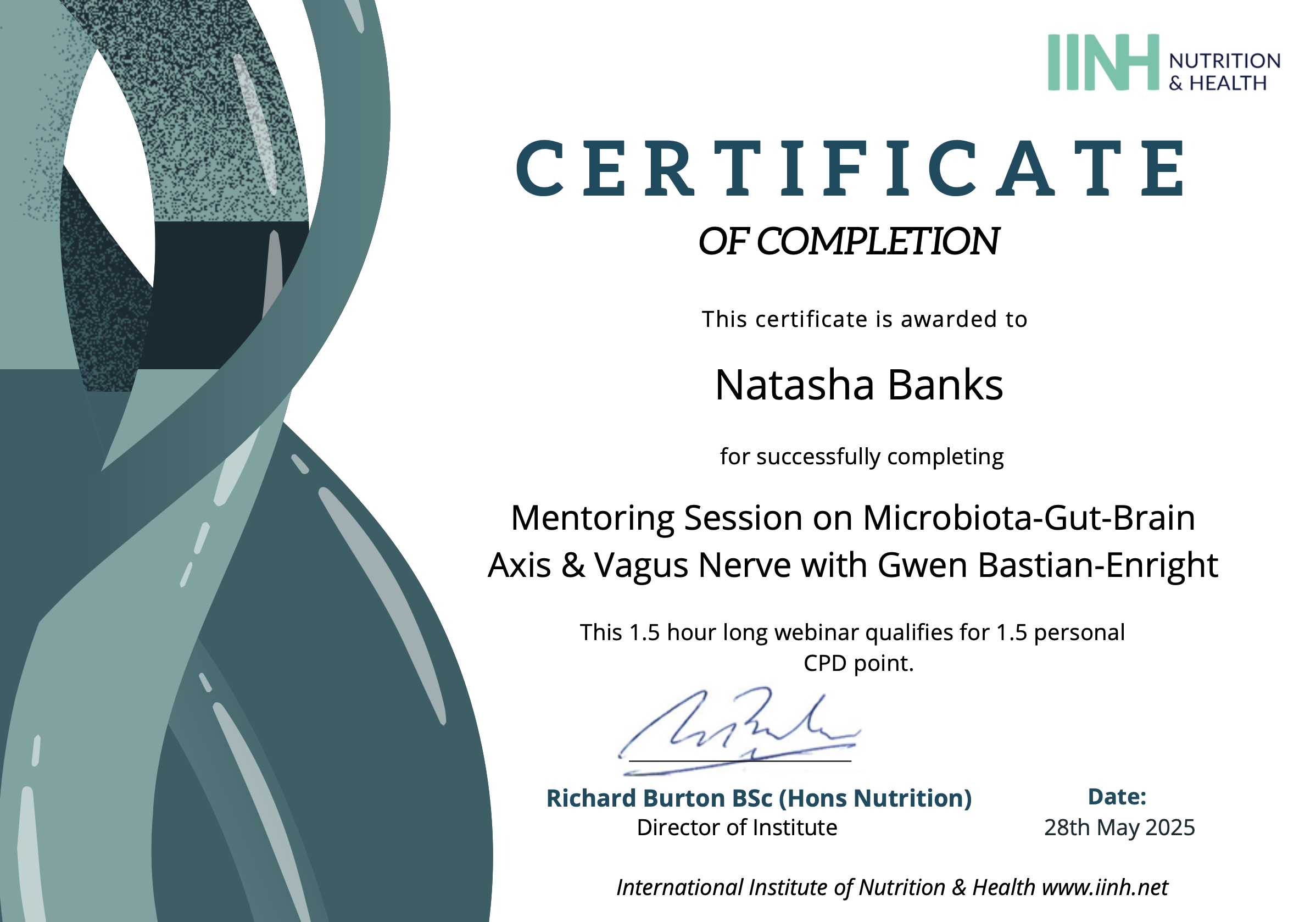
Gut Health Certificate View fullsize
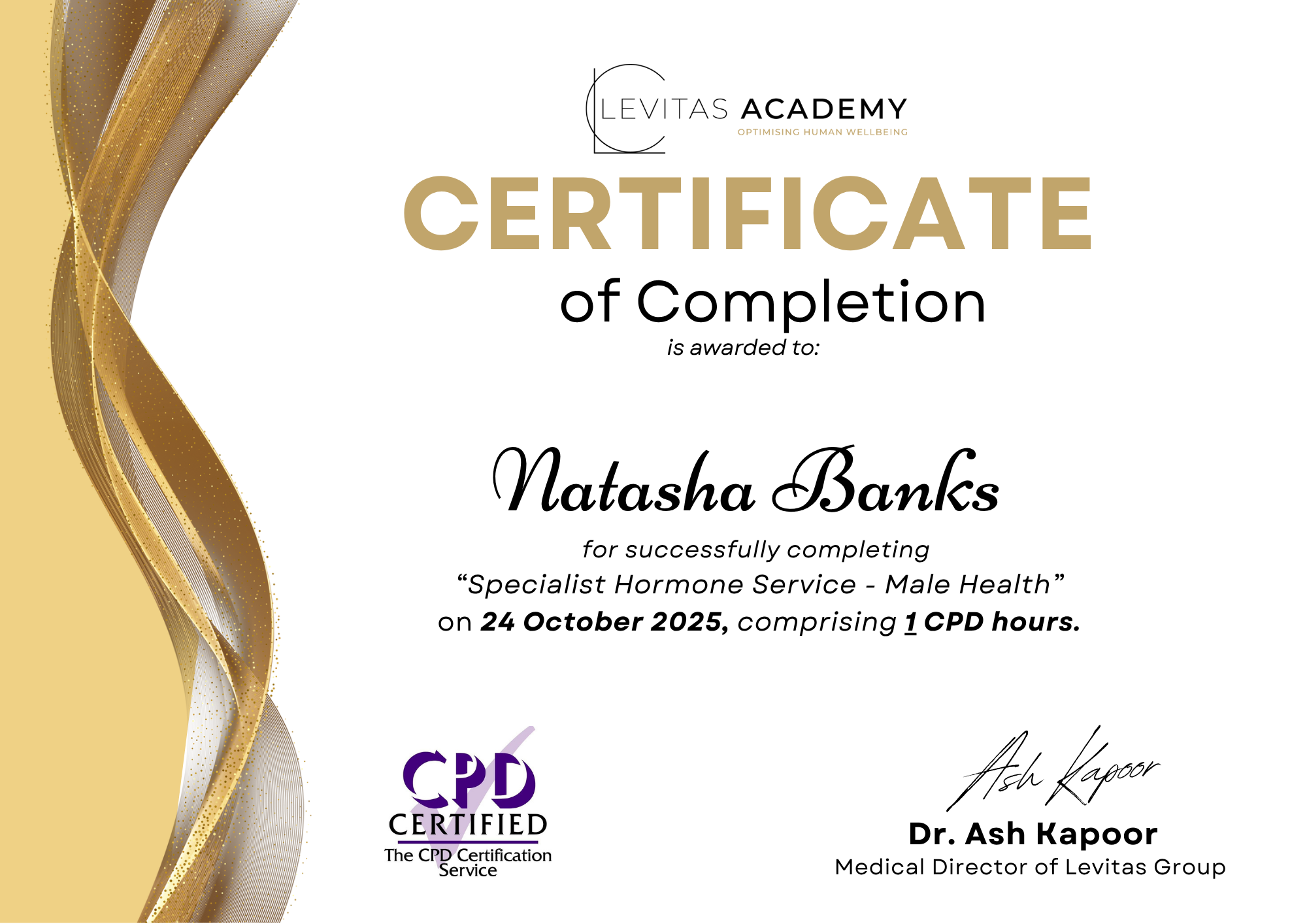
Male Hormone Specialist Qualification View fullsize
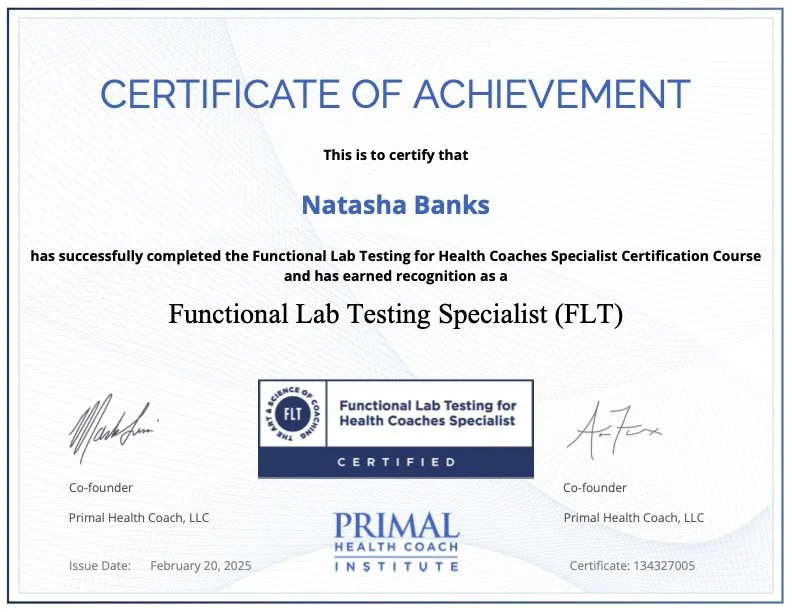
Functional Lab Testing for Health Coaches Qualification View fullsize
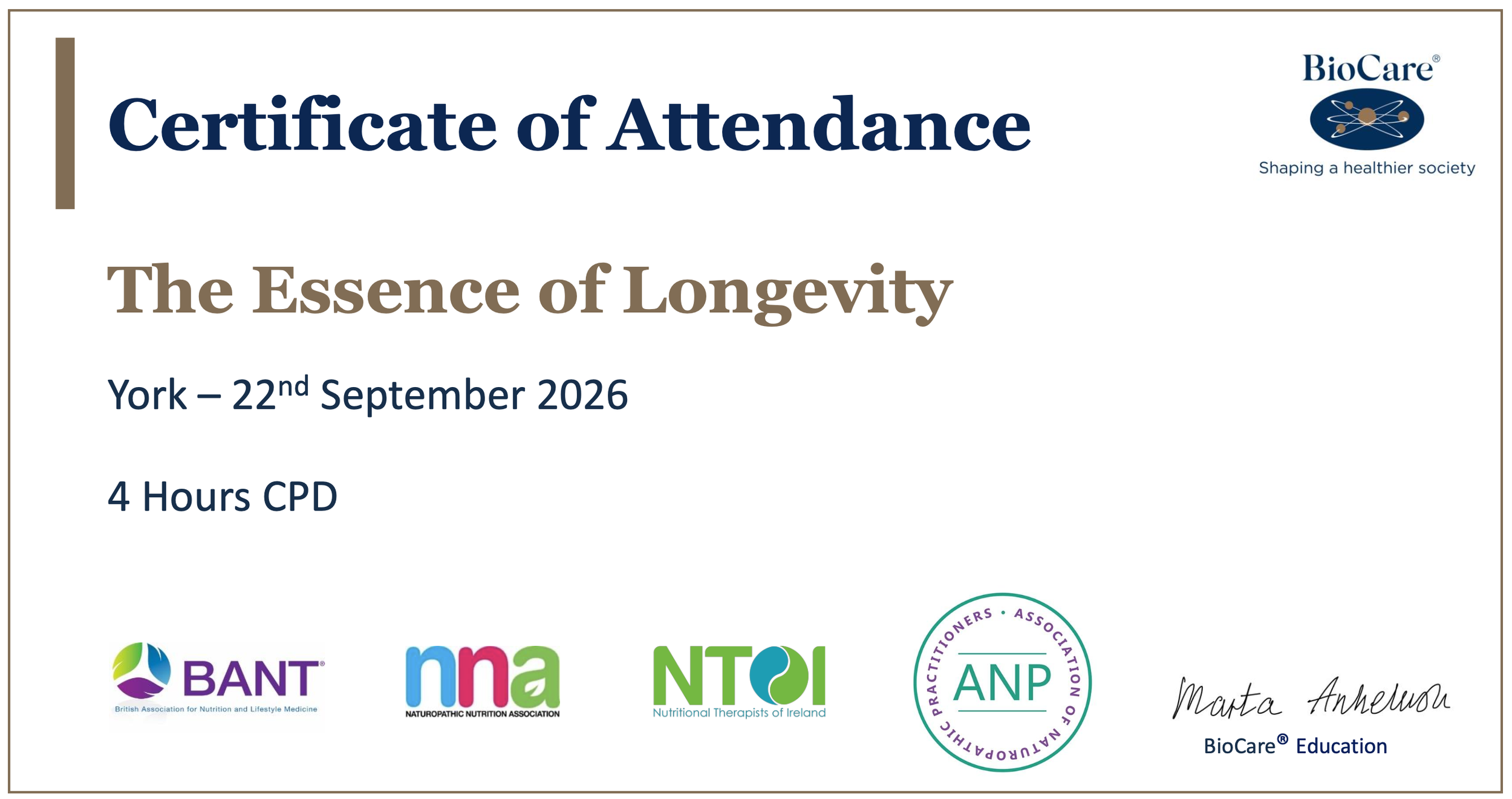
Essence of Longevity CPD Certificate View fullsize
Health and Nutrition Coaching Diploma Level 4
Food Addiction Qualification
Hormone Health Specialist Qualification
Off-site safety management qualification
Mental Health First Aid qualification
Gut Health Certificate
Male Hormone Specialist Qualification
Functional Lab Testing for Health Coaches Qualification
Essence of Longevity CPD Certificate

The Wellness Education

Did you know puberty can start as early as 8 years old? It is considered normal anywhere between 8 and 14, and signs before 8 could be early puberty. Growing bodies need fuel through these changes, yet 49% of girls aged 11 to 18 had low iron intakes Feeling the pressure? We suggest at least 5 minutes of slow, gentle breathing to calm stress, anxiety and panic either at the beginning of the day, before a big exam or at the end of the day - it won't take long. Breathe in counting 1 to 5, then out Wondering what's "normal" for your cycle? Once it has settled, most girls have a period every 21 to 35 days, and it can take a few months to get there. Hormone levels change through the cycle, which may be linked to PMS. Regular movement, g Breakfast matters for more than energy. A University of Leeds study of 294 West Yorkshire students found those who rarely ate breakfast scored nearly two GCSE grades lower. It shows a link - it's a simple habit worth building. Try starting the day wi 91% of UK students surveyed said they had experienced exam stress or anxiety in the past 12 months. Exam pressure is common, and it's something we can help young people manage with practical tools. 
#examstress #studentwellbeing #examanxiety #schoolw Teenagers aged 13 to 18 years old need 8 to 10 hours of sleep a night, and children aged 6 to 13 years old need 9 to 12 hours sleep. Sleep supports concentration, memory and mood, and it's one of the simplest daily habits to get right. Encouraging a Children are having more than twice the recommended amount of sugar, and half of it comes from snacks and sugary drinks. Small swaps add up. 
#childrensnutrition #sugarawareness #healthyeatinghabits #familyhealth #nutritionforkids #thewellnesseducati 1 in 5 children and young people in England aged 8 years old to 25 years old had a probable mental health disorder in 2023. These figures come from screening questionnaires, not clinical diagnoses, but they show why early, practical support matters.
Only 49% of children in England meet the guideline of an average of 60 minutes of activity a day. More active children also scored higher for happiness. Movement doesn't have to be complicated. It just has to happen daily.
#activekids #movemore #chil The average age girls start their period is around 12 years old, but some start as early as 8 years old. The NHS advises talking about periods from an early age, with boys as well as girls, so everyone is prepared. That's what we teach in our popular A single chocolate bar can contain up to 24g of sugar, a 7 to 10 year old's entire daily limit. A pot of sugary yoghurt can hold up to 24g too. Reading labels together is a great family habit. More on this soon.
#sugarfacts #labelreading #kidsnutriti 71% of students surveyed had not sought any help or support for exam stress. Talking to friends or loved ones was the most common way of coping, followed by exercise and breathing exercises. Opening the conversation is the first step.
#examsupport #s

natasha@thewellnessconsultant.co.uk

Terms & Conditions

Safeguarding Policy & Privacy Policy

Key Resources

FAQ’s